

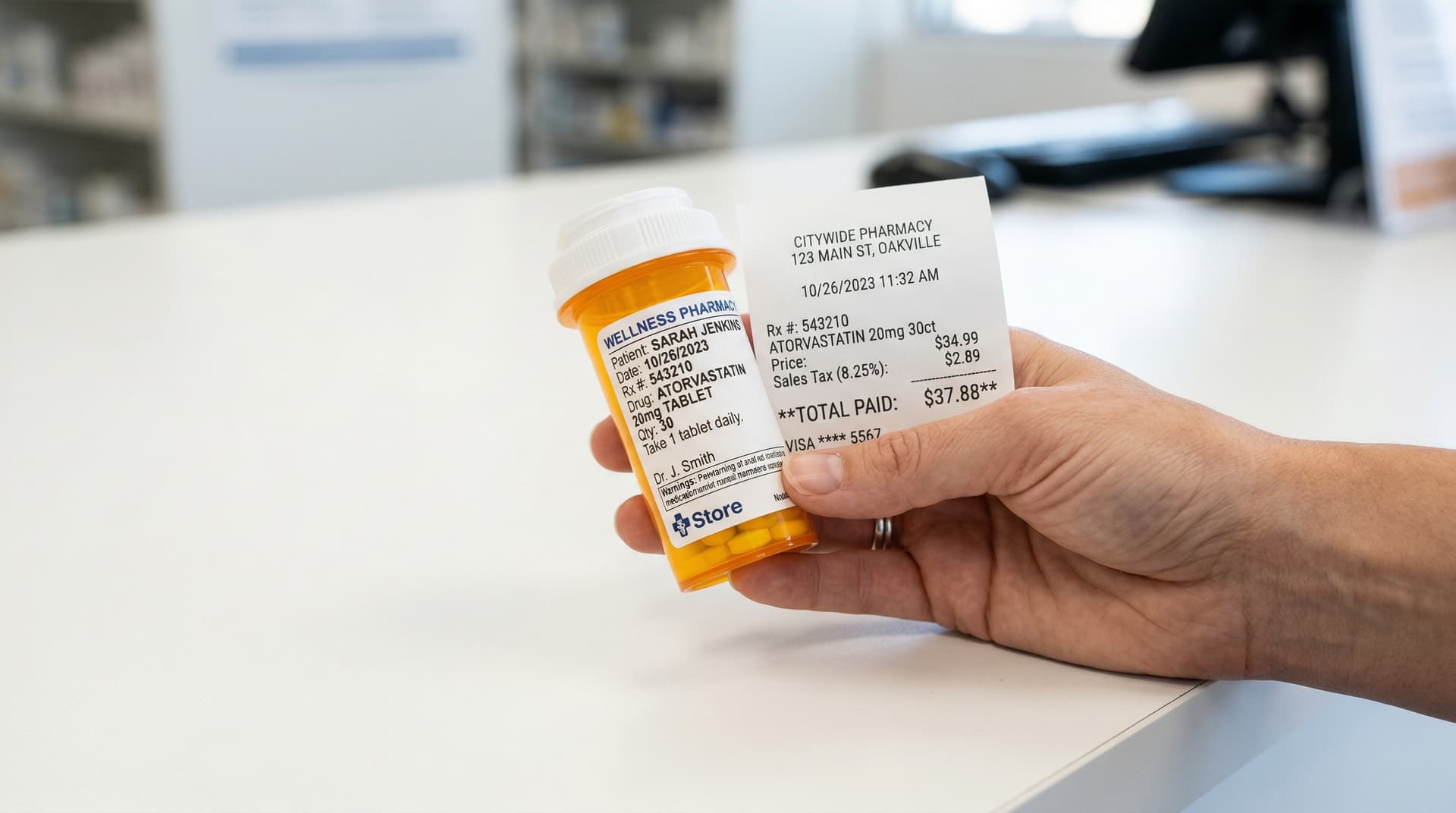
If your insurance just stopped covering your GLP-1 medication, you are not alone. An estimated 24 million Americans have lost commercial GLP-1 coverage in the past year, according to KFF research — 12 million who lost Zepbound coverage and 12 million who lost Wegovy coverage. CVS Caremark removed Zepbound from major formularies. Blue Cross Blue Shield, Cigna, and UnitedHealthcare have restricted coverage to diabetes-only indications in many plans. Employers are dropping weight-loss drug benefits entirely to cut costs.
The result: millions of patients who were successfully losing weight on Ozempic, Wegovy, Mounjaro, or Zepbound are suddenly facing a choice between paying full price or stopping their medication cold. Neither is a good option. But there are real alternatives that most people do not know about.
Why Insurers Are Dropping GLP-1 Coverage
The math is simple. GLP-1 medications cost insurers $12,000 to $16,000 per patient per year at list price. With over 30 million Americans now on these drugs, the total pharmacy spend on GLP-1s exceeded $50 billion in 2025 — more than any other drug class in history. Employers and insurers are pushing back hard.
CVS Caremark was the first major pharmacy benefit manager to make a dramatic move, removing Zepbound (tirzepatide) from its standard formulary in January 2026 and replacing it with Wegovy. But many employers went further, restricting all GLP-1 coverage to patients with a diabetes diagnosis and a BMI above 40.
The irony is painful: the patients losing coverage are often the ones for whom the medication is working best. If you have lost 15 percent of your body weight on Wegovy and your employer drops coverage, you face the prospect of weight regain — which studies show happens in 60 to 70 percent of patients who discontinue GLP-1 therapy. Our weight regain guide covers the science behind this in detail.
Your Options Right Now (Ranked by Cost)
Here is every legitimate path to continuing GLP-1 therapy without insurance, from cheapest to most expensive.
1. Switch to an Online Telehealth Provider ($99 to $299 per month)
This is the fastest and most affordable option for most people. Online GLP-1 programs provide compounded semaglutide or tirzepatide — the same active ingredients as Ozempic, Wegovy, Mounjaro, and Zepbound — at a fraction of the pharmacy list price. The medication, prescribing physician, and ongoing medical support are bundled into a single monthly fee.
We independently reviewed 32 online GLP-1 providers and the top programs include:
- Embody — $99 per month, 24/7 specialist support, 9.0/10 rating
- Eden Health — $129 per month, board-certified physicians with lab monitoring, 9.1/10 rating
- MyStart Health — $224 per month, price-lock guarantee with money-back weight-loss promise, 9.3/10 rating
These programs use compounded medications dispensed by licensed pharmacies. Compounded semaglutide is not identical to brand-name Ozempic or Wegovy — it is pharmacy-mixed using the same active ingredient but is not individually FDA-approved. For most patients, the clinical outcome is comparable. For a detailed comparison, see our compounded vs brand guide.
2. Use the Manufacturer Savings Programs
Both Novo Nordisk and Eli Lilly offer patient assistance for people who lose insurance coverage:
- Novo Nordisk Patient Assistance Program: Eligible uninsured patients can receive Wegovy for free. Income limits apply (generally under 400 percent of the federal poverty level). Apply at novocare.com.
- Wegovy Savings Card: Commercially insured patients (even with restricted plans) may pay as little as $0 per month for up to 13 fills. Does not apply to government insurance.
- Eli Lilly Solutions Center: Lilly offers Zepbound for $399 per month for self-pay patients through LillyDirect. Not cheap, but significantly less than the $1,059 list price.
- Foundayo (Eli Lilly's new oral GLP-1): Available for $149 per month through LillyDirect. This is currently the cheapest FDA-approved GLP-1 option without insurance.
3. Switch to Foundayo (Oral, $149 per month)
Eli Lilly's Foundayo (orforglipron) was FDA-approved April 1, 2026 and is available now. It is a daily pill taken with food (no fasting required, unlike oral Wegovy). At $149 per month through LillyDirect, it is significantly cheaper than injectable options at pharmacy list price.
Clinical trials showed 7 to 10 percent body weight loss — less than the 15 to 17 percent seen with injectable semaglutide or tirzepatide, but enough to be clinically meaningful. If cost is your primary barrier, Foundayo may be the right step-down from a more expensive injectable. See our full Foundayo guide.
4. Medicare Coverage Starting July 2026 ($50 per month)
If you are 65 or older or qualify for Medicare on disability, help is coming. Starting July 1, 2026, Medicare Part D will cover Wegovy and Zepbound at approximately $50 per month under the new CMS GLP-1 Bridge program. This is the cheapest legitimate GLP-1 option in the United States.
You must be enrolled in a participating Part D plan and meet clinical criteria (BMI 30 or above, or BMI 27 or above with a weight-related comorbidity). Our Medicare GLP-1 eligibility tool can tell you if you qualify, and our full Medicare guide covers everything you need to prepare.
5. Appeal Your Insurance Denial
Before giving up on insurance coverage entirely, file a formal appeal. Many denials are reversed — especially when supported by medical documentation.
Request a letter of medical necessity from your prescribing physician. Include your diagnosis, BMI, weight-related comorbidities, documentation of failed alternative treatments (diet, exercise), and evidence of your progress on the GLP-1 medication. If your first appeal is denied, you have the right to an external review by an independent third party. Many states have additional consumer protections that require coverage of medically necessary treatments.
Do NOT Do This
Do not buy GLP-1 medications from unverified online sources. The FDA has seized counterfeit semaglutide from overseas pharmacies that contained no active ingredient — or worse, dangerous contaminants. If a price seems too good to be true, it probably is. Our scam checker tool can help you verify whether a pharmacy is legitimate.
Do not stop your medication abruptly without medical guidance. Sudden discontinuation can cause rebound hunger and rapid weight regain. If you need to stop for cost reasons, work with your doctor on a gradual taper plan.
The Bottom Line
Losing GLP-1 coverage is stressful, but it does not mean losing access to treatment. For most patients without insurance, the best immediate move is switching to an online telehealth provider that bundles compounded medication with medical oversight at $99 to $299 per month — a fraction of the $998 pharmacy list price.
If you are unsure which program fits your situation, our 60-second match quiz can help, or compare all 32 providers in our independent rankings.
The insurance landscape for GLP-1 medications will continue shifting throughout 2026. Medicare coverage launches in July. Manufacturer competition is pushing prices down. And we will continue tracking every change so you can make the best decision for your health and your budget.